Food market fieldwork
Described by Júlia Tena Mensa (author of this practice)Description
Participant observation through weekly food practices
Context
Food market fieldwork was part of the ReWording project, based in a weekly informal gathering in a parking lot. This place was selected so there was space enough for farmers to park their vans and consumers walk around them to pick up their vegetables boxes.
Description
One of the most common practices in the alternative network of food acquisition in Zagreb are pop-up markets. Pop-up markets are the moment where producers and consumers gather in a public space to deliver and pick up pre-ordered boxes of food. In other words, it functions as a short supply chain.
The researcher became part of the consumers group to purchase their weekly food through this network. The researcher not only attended the market as part of their research work, but also as part of my food acquisition practices.
In this way, they could enter the field of practice as a consumer of the pop-up markets. This not only meant remembering to pre-order the food at the weekend and making the time available to attend the meetings at the parking spot at 17:30 on Tuesday, but also re-scheduling and re-organising their food practice according to the food available that week and the timing of the market.
By doing they could have informal conversations with producers, other consumers, and the organiser of the pop-up market. Moreover, they could see the relationship between these different actors and take part in it as one of them.
Engagement with more-than-human entities
The urban environment where these pop-up markets were held did not give the time and opportunity to engage with the more-than-human. However, this does not mean that interaction did not happen at all; It did not happen in the food acquisition, but in the food preparation.
As the main producers participating in these markets are small, they do not have the time to leave the vegetables without the imprint of where they come from. While the vegetables in the supermarket will often shine and even be packed in plastic bags ready to be used, the consumers using the vegetables in the pop-up markets are in contact with soil, dirt and very often with the little bites that insects or worms left behind.
This is not a negative cooking experience, but a reminder of the trust you put in the producers making your food: if somebody ate that salad leaf before, it only means it is good!
Interpretation as “retracing”
Becoming a consumer at one of the data collection sites enabled the researcher to adopt a dual role as both observer and actual consumer.
Engaging in the food practices of consumers in the pop-up markets made the researcher more aware of the practices producers engage in in relation to alternative food networks. This helped the researcher gain a better understanding of the context and the selling channels of producers discussed in the interviews.
Re-tracing in this case meant becoming part of the field through the basic need of food acquisition. Even though the researcher’s role never disappeared, in the pop-up markets the researcher was one of the other consumers gathering their food for the week.
Case study
GSR Jato is one of the short food supply chains that manifest through weekly pop-up markets on Tuesdays. The association has been running for more than 10 years, with the energy, time and resources of the main organisers. They not only organise the weekly markets, but they also manage the platform where the producers can upload their quantities and prices, and consumers can pre-order the food they want. Also, for the ones who can not come to pick up the food on Tuesday, they organise a home-food delivery.
Food deliveries are an interesting activity to be part of. Accompanying one of the main organisers of the association, the researcher spent one entire afternoon delivering food around certain areas of Zagreb. But these areas were not randomly selected. The organisers, with some help from the farmers participating in the association, divide the city into different parts, and during specific days of the week, they will be in charge of delivering the food to the people’s houses who have asked for it.
In the afternoon, when the researcher visited several neighbours and houses, they could see the long-lasting relationships the organiser and the families kept together. Also, another important aspect of these deliveries was the possibility to give back the glass container where juices, yoghurts, or milk were given the previous week. The organiser, then, gives the empty pots back to the specific producer, allowing the reuse of these.
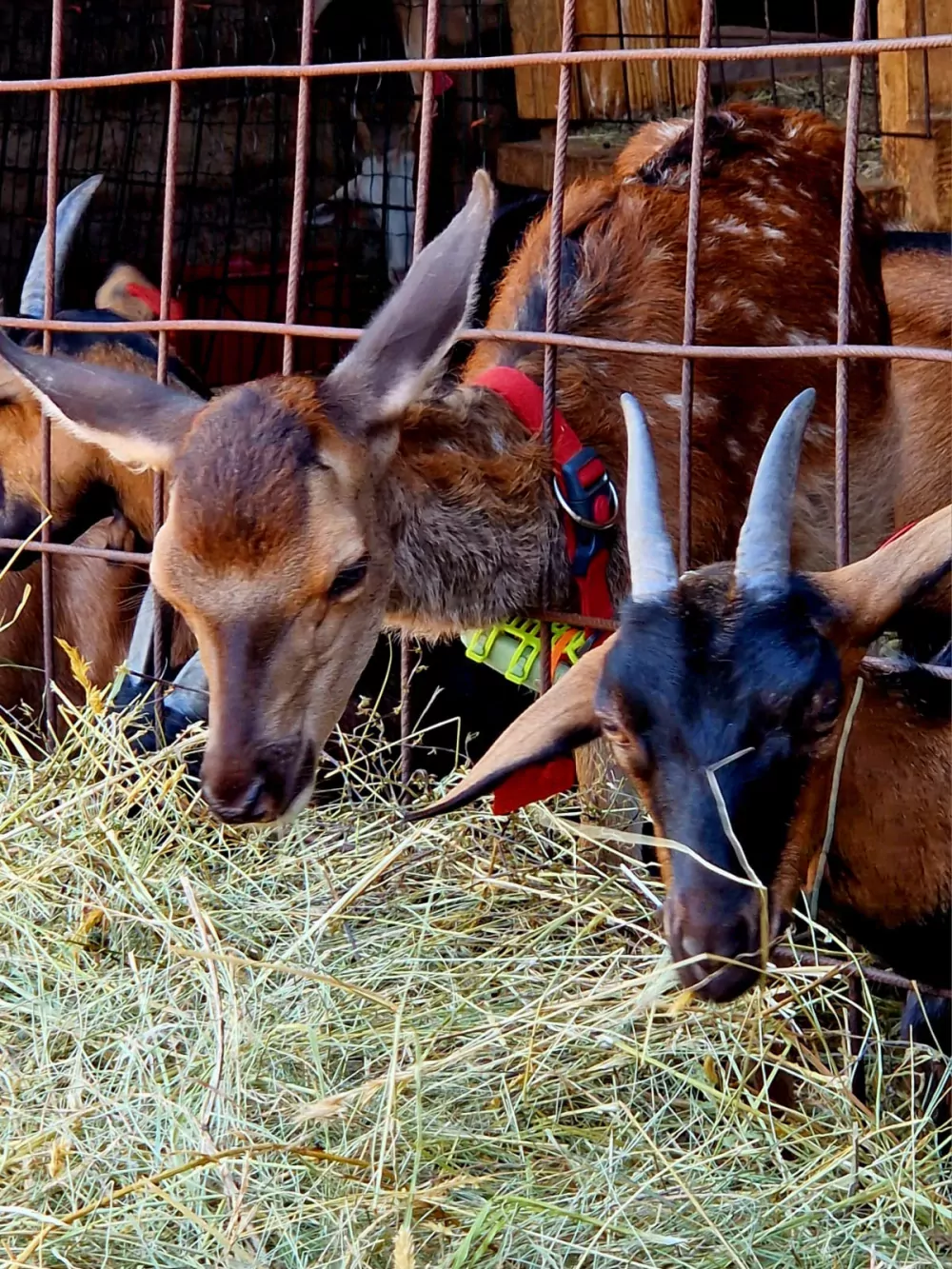
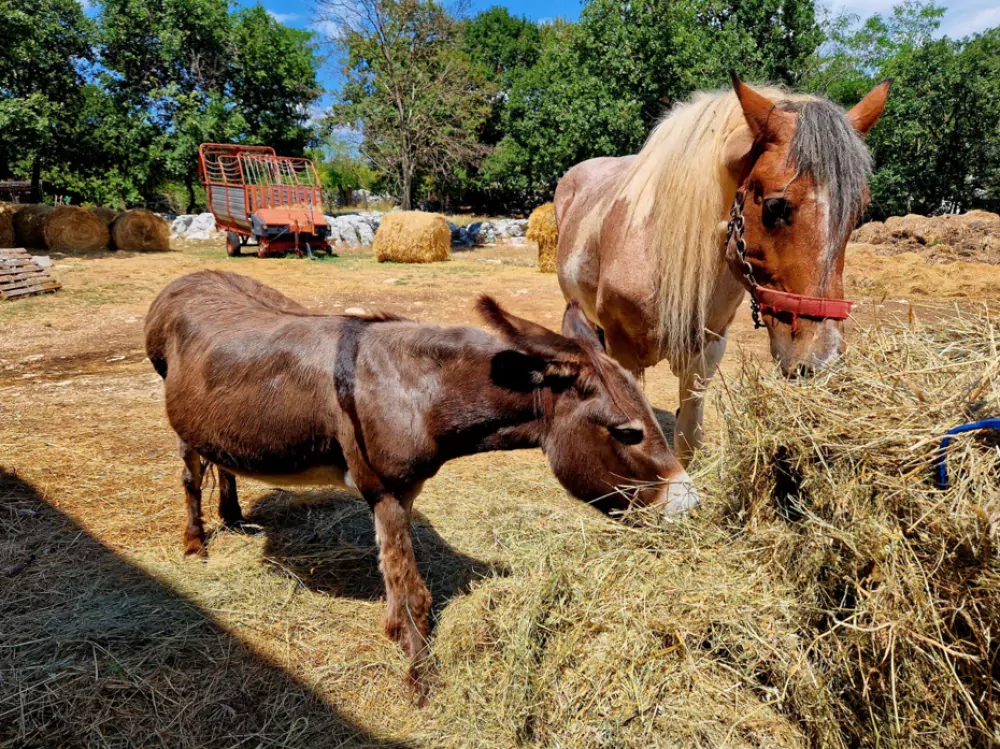
Moreover, the association organises several field trips to the farms of the producers taking part in the associations. The consumers are invited to come, and they are able to chat to the producer, see the methods of productions and participate in diverse activities organised. The images are from a visit to a goat farm organised by the association.
Links