Fluid ethnography
Described by Weronika Kozak, based on Based on Boccagni, P. and Bonfanti, SDescription
Context
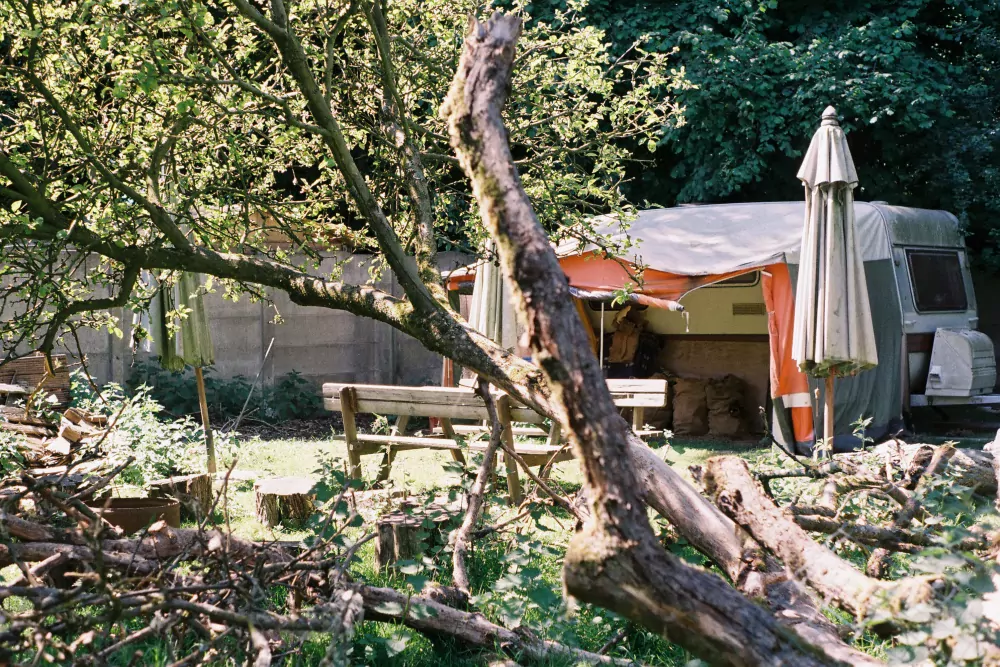
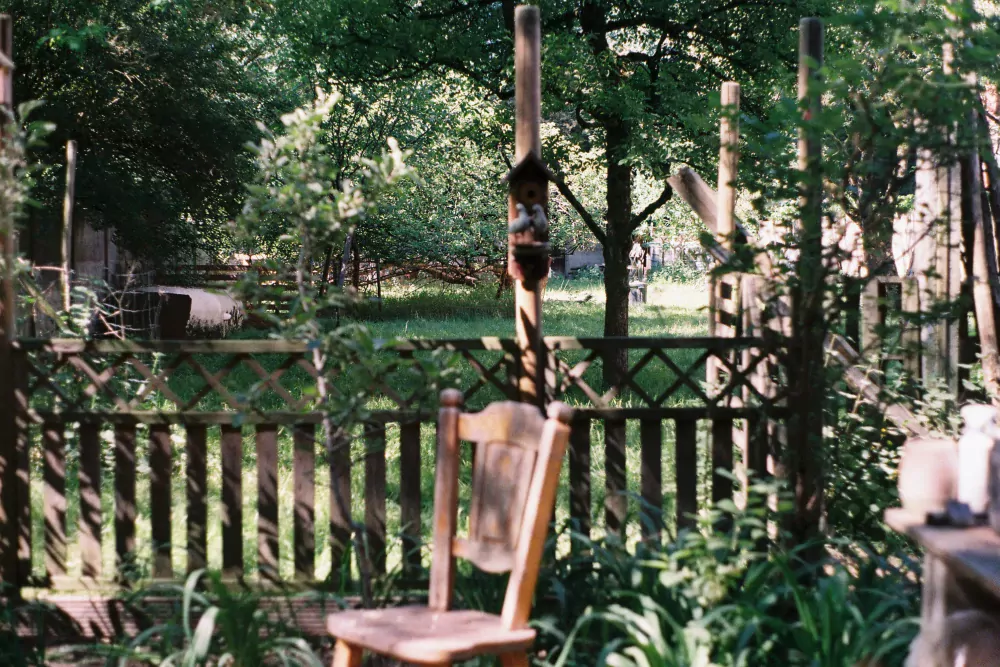
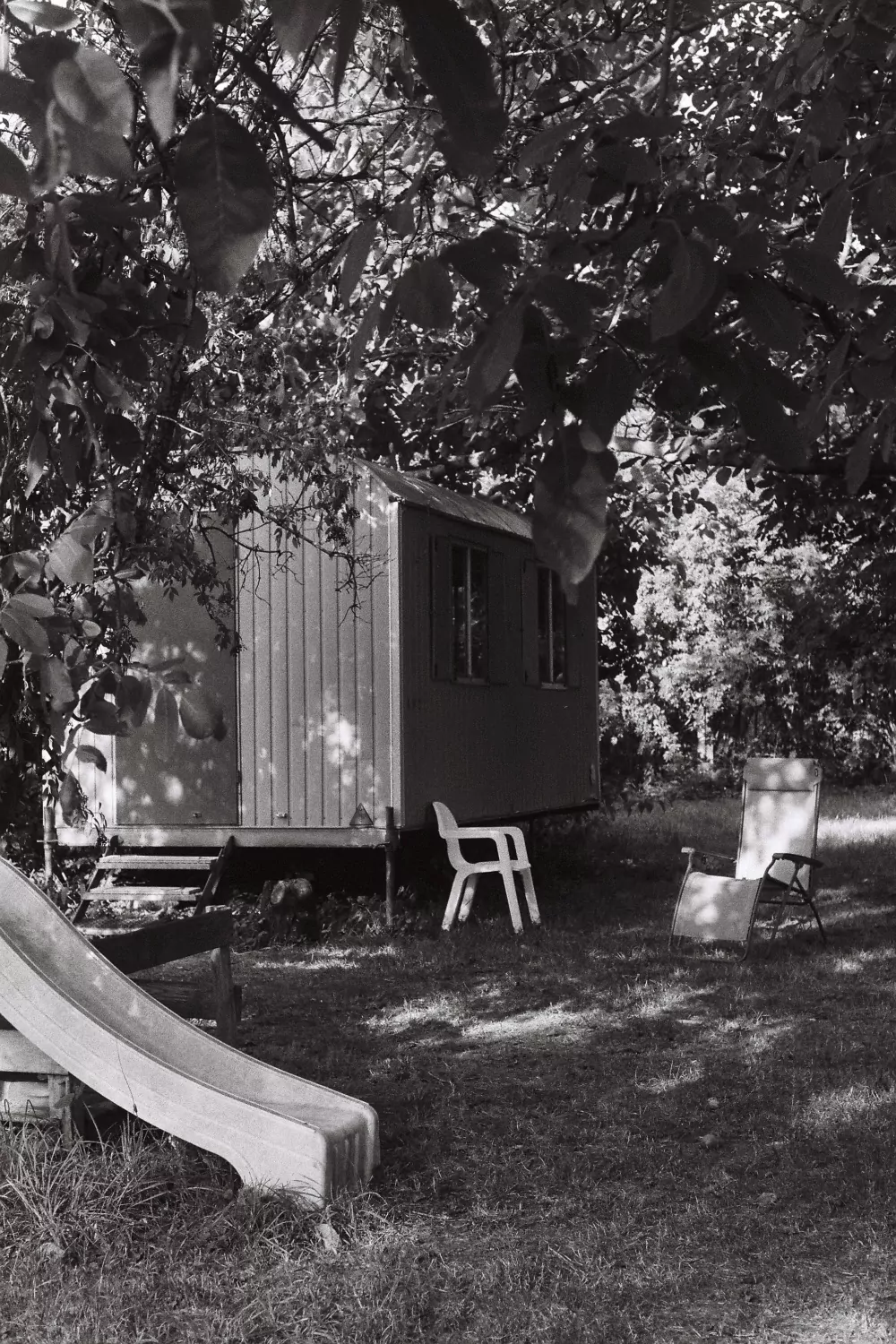
Fluid ethnography and new farmers' almanac are, respectively, a method and a representation developed in the framework of a Reworlding research conducted in an agricultural context in transition in Flanders, Belgium. Often, within environmental transformation processes, farmers are merely informed of the planned outcomes, leading to discord between them and nature conservation organisations, while the growing complexity and volatility of the profession deepens their detachment and unattainability. In order to collectively build capacity for change, rather than impose measures in a top-down manner, not only farmers’ needs should be understood, but also their situated perspectives acknowledged, and their perception diversified, as farmers form a constellation of multiple worlds and views. Building on that, and with the awareness of the importance of going to the field and building trust slowly through collective work and informal conversations, the researcher has started volunteering on and visiting farms, which drew their attention to the method of domestic ethnography.
Description
Domestic ethnography attempts to shed light on geopolitical issues through investigating private and intimate environments of homes, and is most often used in transitory contexts, such as migrant housing. (Boccagni & Bonfanti, 2023) Within this research, domestic ethnography was seen as a way to build an understanding of the potential broader social effects caused by environmental transitions through individual testimonies, as well as gaining knowledge on how farmers (might) live with water. However, only when intertwined with farmwork - picking, pruning, or cleaning often filled with informal moments and conversations - real insights about living with water started to leak through - through curious details, latent gestures, hidden stories. The moment when water became the way of doing fieldwork, rather than its goal, when the researcher started to act in a receptive, reciprocal, fluid, and open manner towards their hosts, rather than extractive - the knowledge about living with water had finally started to leak through. Thus, the domestic ethnography morphed into a fluid one - focused on engaging in informal and collective situations, reading between the lines, and decoding meanings in an effort to nuance narratives.
Focusing on informal exchanges and shared actions rather than impersonal interviews revealed a crucial, yet often hidden truth - that for farmers climate change, amounting to volatility and unpredictability, paired with legal uncertainty brought about by policies - is an everyday reality for a number of years. Farmers are already in transition; in order to understand how to design future transitions within the agricultural sector, we must pay closer attention to the often unnoticed, unspectacular, and quiet dimension of the everyday life of farmers. Looking for future ways of coexisting with water lies in finding present fluidity - strategies and ways of being - already in place and quietly leaking through the surface.
By focusing on examples of everyday resilience, a more personal and rich in detail perspective emerges, capable of disclosing important insights for broader strategies and capacities for change. Everyday temporalities of climate change might bring water issues (closer) to home by relating through more realistic and concrete timeframes. A new farmers’ almanac - a speculative, polyvocal, and relational representation of their perspectives - could collect multiple everyday strategies, revealing interconnectedness and sparking collective action. It could be a perpetually growing, honest record of farmers’ lives, thus disclosing many different languages of facing uncertainty.
Engagement with more-than-human entities
Thinking with and through water - seeing it as a metaphor and a form of mediation - rather than about it, reveals the subtleties of relationality - invisible strategies and overlooked realities. (Chen et al., 2013) When one looks for hidden wells and traces of water, one reads between the lines - sees the leakages in between words and meanings and looks for different ways of knowing the world(s). Water in agriculture is not just irrigation - it is mud, frost, fog, but also connectivity, fluidity, memory, and resilience. Fluid ethnography, thus, looks for the intangible aspects of homemaking seen as participating in a larger, multispecies ecosystem, which emerge through collective work and sharing stories.
Interpretation as “retracing”
This more fluid and receptive process of engaging with the field and its actors, embracing uncertainty and discomfort, allows for more obscure or deemed unimportant knowledge to emerge, thus proving enlightening for seemingly fragmented and disconnected contexts. By refraining from asking structured and possibly sensitising questions, fluid ethnography engages in informal and off-topic conversations, and decodes meanings in the almanac to look for leakages of situated knowledge on living in transitions. Unanticipated actors and obscure knowledges emerge to the surface. What if we listened to these stories in order to reimagine policymaking?
Extract
The almanac hopefully will reveal the world(s) where the two worlds - of farmers and policymakers - meet. It will be shown to and discussed with farmers in a participatory manner, not only to further improve it, but also to give something in return for their time - share stories of others, spark connections, and reveal latent symbiotic relationships within the community. Beyond stories it will hold objects, share new concepts and words, activities, knowledge, all becoming activators and translators of situated experiences. The typological approach and relay of hard data will be softened by curiosity, idiosyncrasies, and empathy. Similarly to Flemish tear-off calendars, providing one short story per day, it will be a collection of fragments of knowledge, little things, which, assembled piece by piece, might reveal a way to resilience. It will disclose failures, hopes, dreams, and fears. It will feature unlikely heroes - clouds, frost, beech, cherry - give voice to houses, farms, objects, and things. Despite seeming randomness and a blend of influences - calendars, newspapers, glossaries - and a collage of techniques, every detail in the farming ecosystem gathered in the almanac matters. The almanac is still in progress.
References
Boccagni, P., & Bonfanti, S. (2023). Migration and Domestic Space. Ethnographies of Home in the Making. Springer Nature.
Chen, C., Macleod, J., & Neimanis, A. (2013). Thinking with water. Mcgill-Queen’s University Press.
Hall, P. M. A Symbolic Interactionist Analysis of Politics. Sociological Inquiry 1972 42:4, pp35-75.
Head, L. (2018). Hope and Grief in the Anthropocene: Re-conceptualising human-nature relations. Routledge.
Rossiter, A. (2023). Notes from a Polish Allotment. Bored Wolves.
Rydet, Z. (1978-1997). Zapis socjologiczny.
Tokarczuk, O. (2003). House of day, house of night (A. Lloyd-Jones, Trans.). Northwestern University Press.
Wood, D. (2013). Rethinking the Power of Maps. Video recording of a keynote given at Mapping and its Discontents symposium held at UC Berkeley, California. https://www.youtube.com/watch?v=aYLzPyy2LlE
Links